
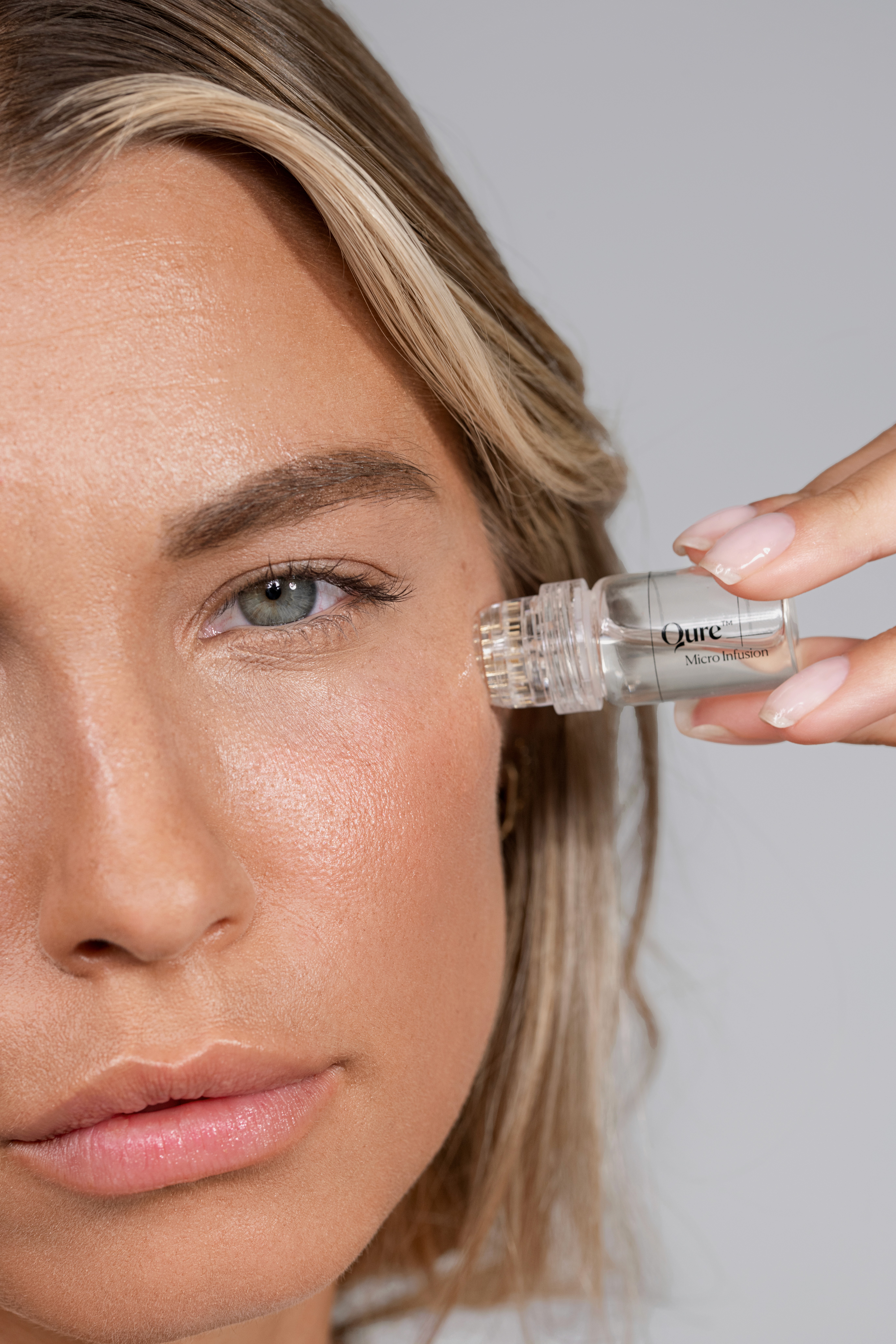
Pore-minimizing products are one of skincare's most overcrowded categories — and most of them don't work. We cut through the noise by testing treatments that range from budget topicals to at-home devices backed by clinical studies. Here's what the research — and real results — actually show.
Top 5 Pore-Minimizing Treatments
Ranked by depth of action, clinical backing, customer results, and value for money.
by Seranova
Our Take:
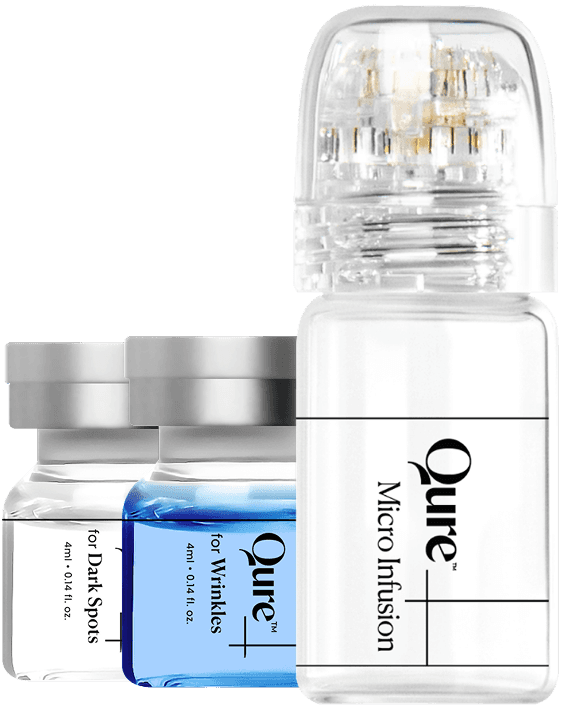
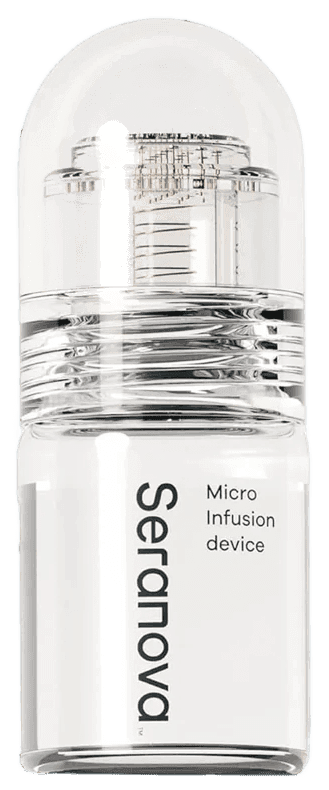
Seranova takes a similar micro-infusion approach to Qure — a stamp device with microneedles that creates channels while delivering serum. For pore minimization, the concept is solid: the micro-channeling effect stimulates collagen around the pore walls, and the included serum helps regulate oil production.
The main difference shows up in the details. Seranova's needle material is standard surgical steel (vs. Qure's 24K gold-plated), and the serum formula is less comprehensive. Dermatologist backing is lighter, and the price per treatment works out higher when refills are factored in. A good second option if Qure is out of stock — but not a step up.
/ starter kit
by Paula's Choice
Our Take:
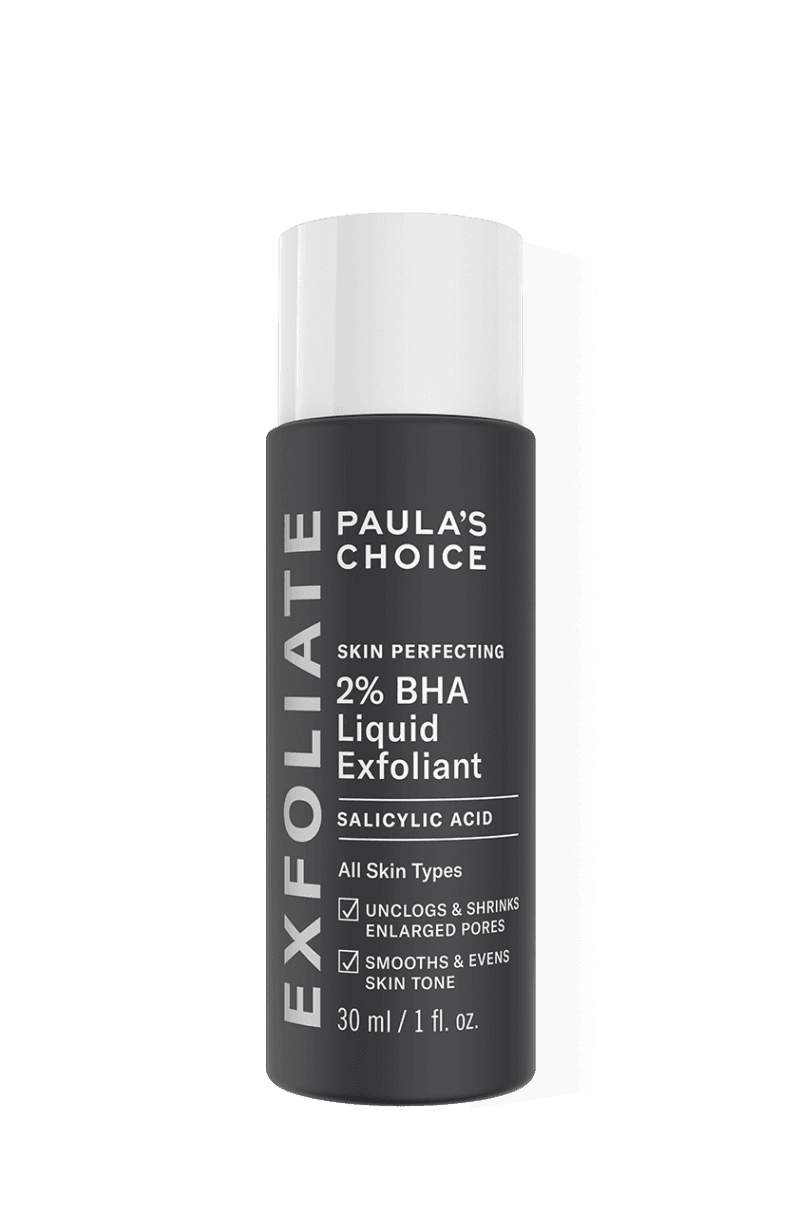
Paula's Choice 2% BHA is the gold standard for chemical exfoliation — and it earns its reputation. Salicylic acid (BHA) is oil-soluble, meaning it can penetrate the pore lining and dissolve the debris and excess sebum that make pores look enlarged. Used consistently, it genuinely improves pore clarity and reduces congestion.
The limitation: it works at the surface level. BHA can keep pores cleaner, but it doesn't address the underlying loss of collagen and elastin that causes pores to appear larger with age. For younger skin or mild congestion, it's excellent. For anyone dealing with visible pores related to skin aging or texture, topical exfoliation alone won't go far enough.
/ 118ml
by La Roche-Posay
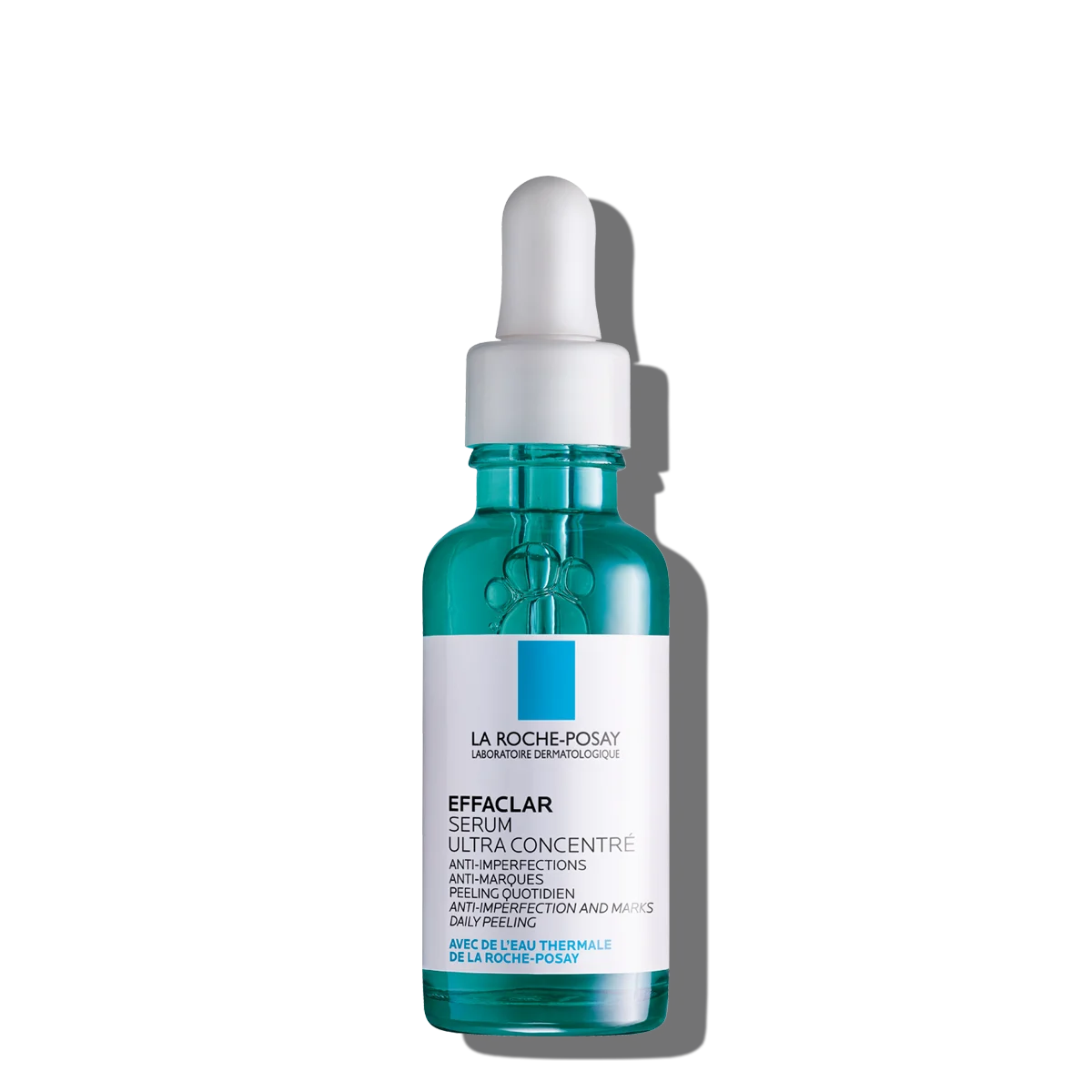
Our Take:
La Roche-Posay's Effaclar Pores Serum combines niacinamide with glycolic acid and LHA (a gentle BHA derivative) to address oiliness and visible pore size from multiple angles. The dermatologist brand's credibility is real, and the formula is well-tolerated by sensitive skin.
It's a solid topical option for those who want a single-product routine without needles. That said, like all serums, it's constrained by skin absorption limits — active ingredients can only penetrate so far without a delivery mechanism. Visible results are slower and less dramatic compared to micro-infusion, and it requires consistent use for months before real improvement in pore appearance.
/ 30ml
by The Ordinary
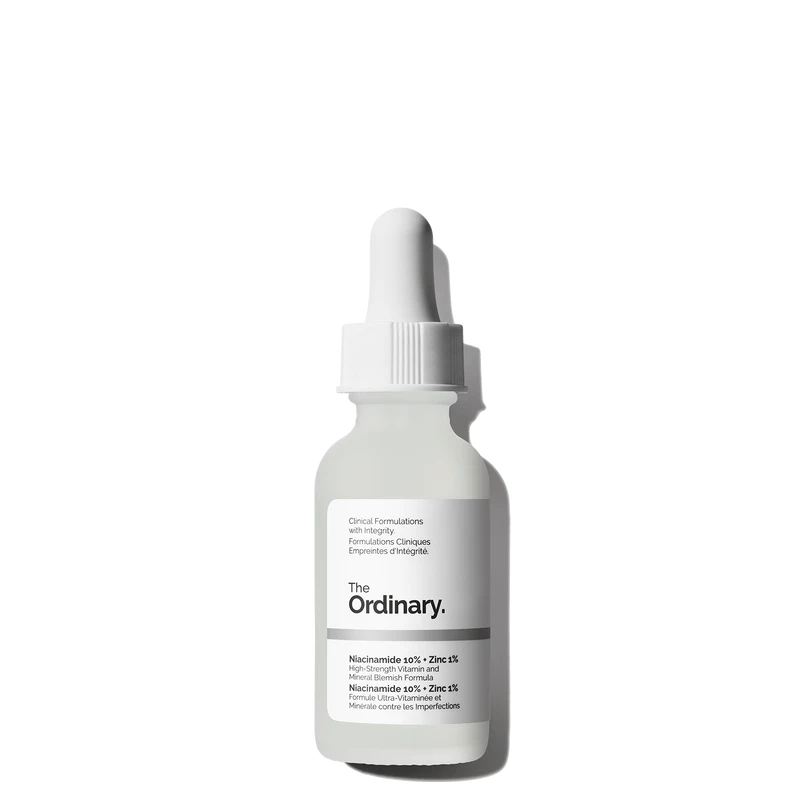
Our Take:
The Ordinary's Niacinamide 10% + Zinc 1% is one of the bestselling skincare products on the planet — and a legitimate starting point for anyone new to pore care. Niacinamide regulates sebum production and visibly reduces pore size over time; zinc PCA adds sebum-control benefits and helps manage congestion.
At under $8 it's essentially risk-free to try. But the formula is single-purpose: oil control and pore appearance. It won't address texture, aging-related pore loosening, dark spots, or collagen loss. For most people, it's a serum to layer under other treatments rather than a complete solution. If you're serious about visible pore reduction, you'll outgrow this quickly.
/ 30ml
Side-by-Side Comparison
A quick comparison of the key factors that matter for your skin.
Product
Micro-Infusion System
Seranova
Micro-Infusion Device
Paula's Choice BHA
La Roche-Posay Effaclar
The Ordinary Niacinamide
Pore Science 101
What Actually Causes Large Pores — and Why Most Treatments Miss the Point?
Pores don't open and close like windows. They look larger for four specific reasons — and most products only address one of them.
First, sebum and dead skin cells build up inside the pore, stretching its walls and making it more visible. Second, as we age, collagen and elastin around the pore weaken — the supportive framework that keeps pores tight deteriorates, and they gradually appear wider. Third, UV damage accelerates this loss of structure. Fourth, dehydrated skin lacks the plumpness that naturally makes pores look smaller.
This is why serums that only control oil have a ceiling. They can keep pores cleaner — but they can't rebuild the collagen matrix that determines pore size structurally. That requires a treatment that works beneath the surface, which is why micro-infusion consistently outperforms topicals in clinical comparisons.
Expert Note
"Micro-infusion is uniquely positioned for pore improvement because it combines two mechanisms: the micro-channeling effect triggers collagen production around the pore walls, while the serum delivers niacinamide and other actives directly where they're needed — not just sitting on top of the skin."
— Board-Certified Dermatologist





Five minutes, twice a month. Here's exactly how to get the best results from your Qure Micro-Infusion treatment.
Cleanse & Prep
Wash your face thoroughly and spritz with the Dermal Mist to balance and prepare the skin. Avoid active breakout areas — work around them if needed.
Assemble the Device
Twist off the cap of your chosen serum vial (Dark Spots for congestion and uneven tone; Wrinkles for firmness and collagen support) and screw on the sterile needle head.
Stamp Across the Face
Remove the cap and gently stamp across your face section by section, applying light and even pressure. No dragging or rolling — straight stamp motions only. Pay extra attention to the T-zone and cheeks where pores tend to be most visible.
Allow to Absorb
Leave the serum to fully absorb — no rinsing needed. Avoid applying makeup for at least 24 hours after treatment. Do the treatment at night before bed for best results and least disruption.
Repeat Every 2 Weeks
For pore minimization, consistency is key. Treat once every two weeks. Most customers notice visible pore refinement and texture improvement after 3–4 treatments. Results compound over time — the longer you use it, the better your skin looks.
Ready to Go Beyond Surface-Level Pore Care?
Qure's Micro-Infusion System addresses pores at the source — delivering niacinamide, EGF, and collagen-supporting actives where topicals can't reach.
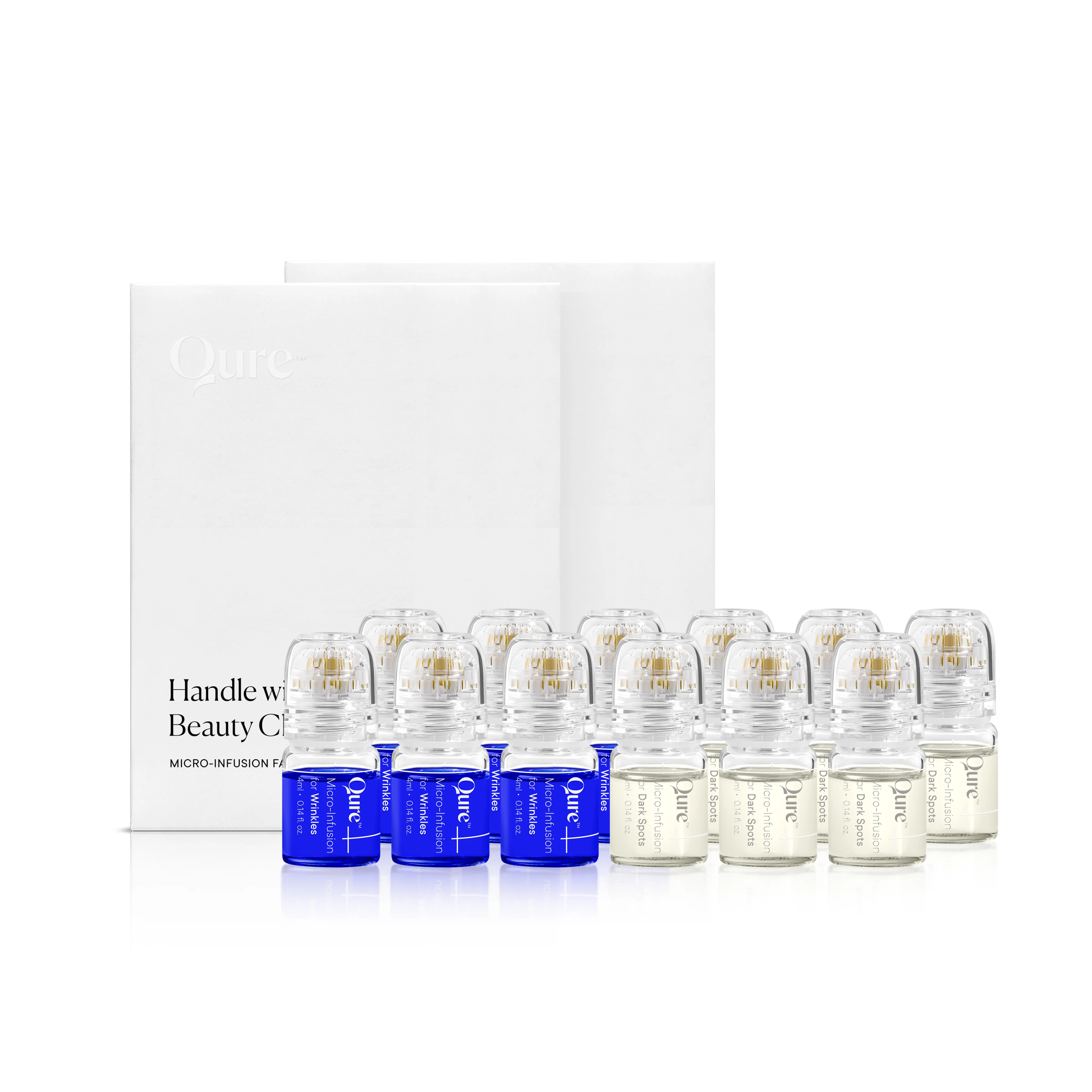
Limited-Time Offer