
$127
Limited-Time Offer

If you've used a derma roller before, you already know the drill: roll, hope for the best, wonder if you're doing it right.
We put a standard derma roller up against two of today's leading micro-infusion systems to see whether the upgrade is actually worth it — or just clever marketing.
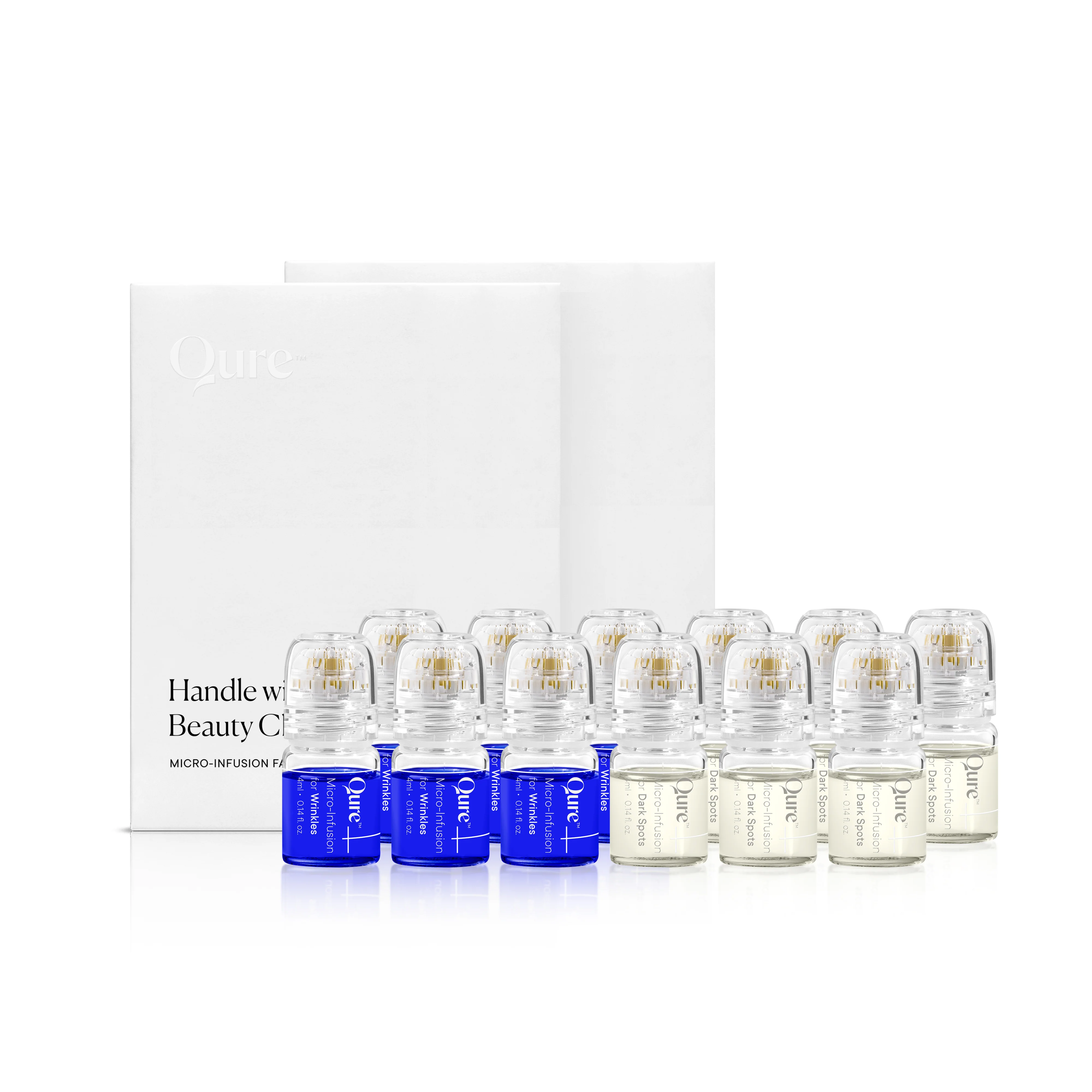
Qure Micro-Infusion System
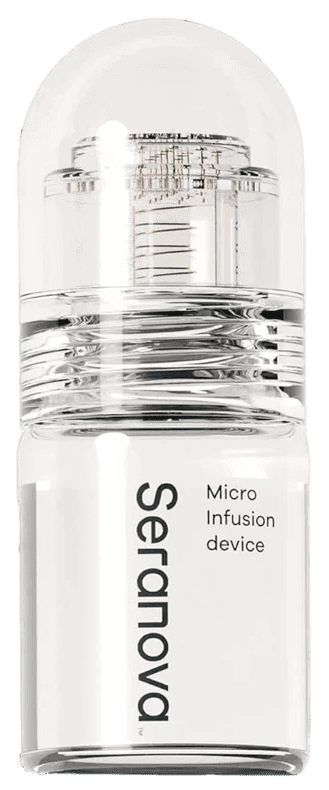
Seranova Micro Infusion Kit
Standard Derma Roller
10-Second Verdict
Why We Even Compared These?
Collagen production starts tapering off by roughly 1% a year once you hit your late twenties, and that slow decline is what eventually shows up as fine lines, thinning skin, and a duller complexion.
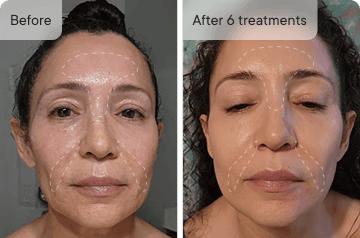
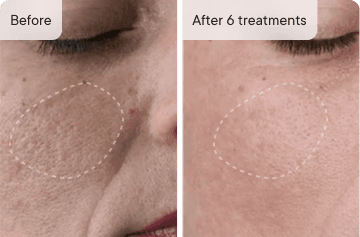
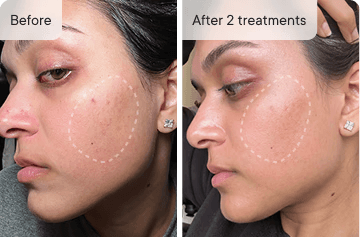
Both derma rolling and micro-infusion exist to interrupt that process — they create tiny, controlled channels in the skin that trigger your body's own repair response.
The question isn't whether microneedling works. It's whether the tool you're using is actually built to do it safely and consistently. That's where derma rollers and micro-infusion systems start to look very different.
The Core Difference: Rolling vs. Stamping
A derma roller is exactly what it sounds like: a handle with a rotating cylinder of needles, dragged across the skin at an angle. It's simple, it's been around for years, and it's why so many people's first experience with microneedling is a derma roller from a drugstore or beauty aisle.
Micro-infusion systems replace that rolling motion with a straight, vertical stamp — needles go in perpendicular to the skin and lift straight back out. That change in mechanics turns out to matter more than it sounds like it would.


Derma Roller: Rolling Motion
Angled entry, variable depth
Pressure depends entirely on your hand
Needles reused treatment after treatment
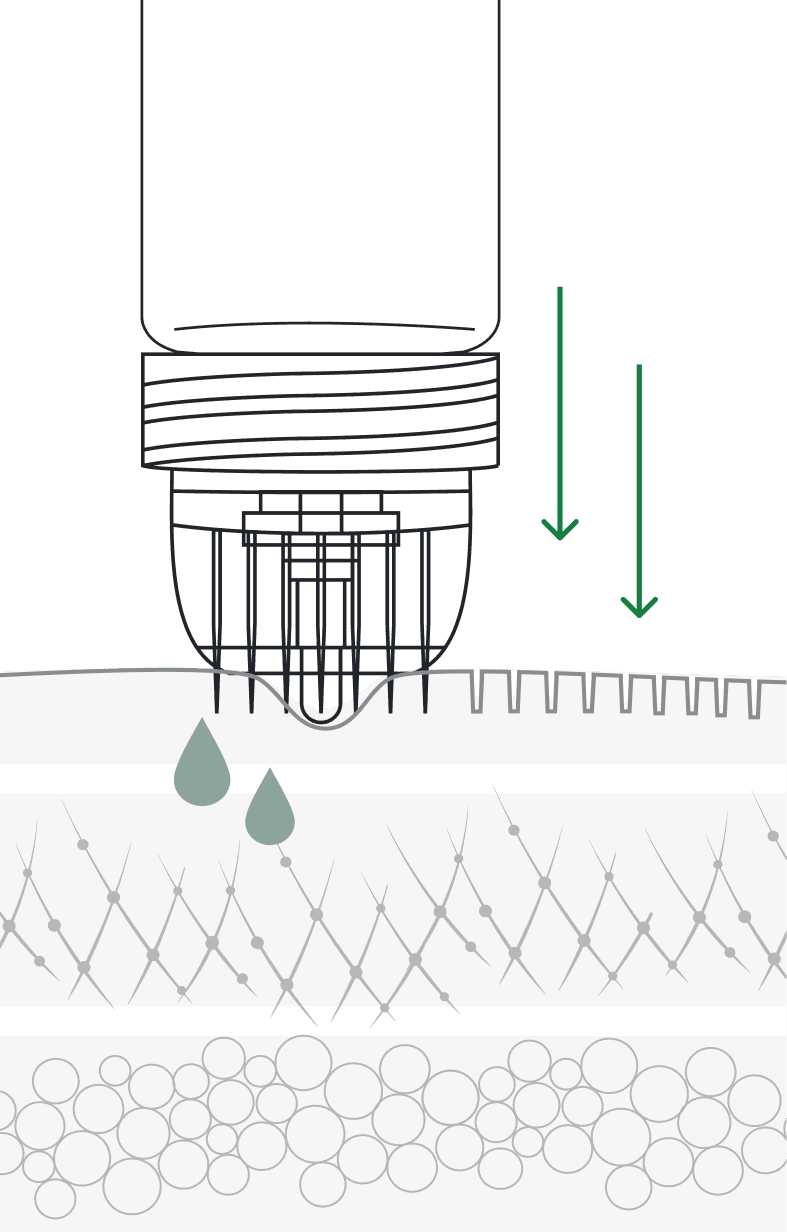

Micro-Infusion: Stamping Motion
Vertical entry, even depth every time
Consistent pressure, built into the device
Sterile, single-use head each session
Rolling drags a needle across skin at an angle, which means depth and pressure shift constantly as your hand moves.
Stamping makes contact straight down, so every micro-channel ends up close to the same depth — that consistency is a big part of why micro-infusion tends to look more polished in practice.
What About the Needles Themselves?
Needle length on a derma roller typically runs anywhere from 0.25mm up to 1.5mm, and because the roller head is reusable, the same needles go back into your skin treatment after treatment. That creates two problems: needles dull with use, and true at-home sterilization is genuinely hard to pull off — you can disinfect, but you can't fully sterilize a metal roller head the way a single-use component arrives sterile from the factory.
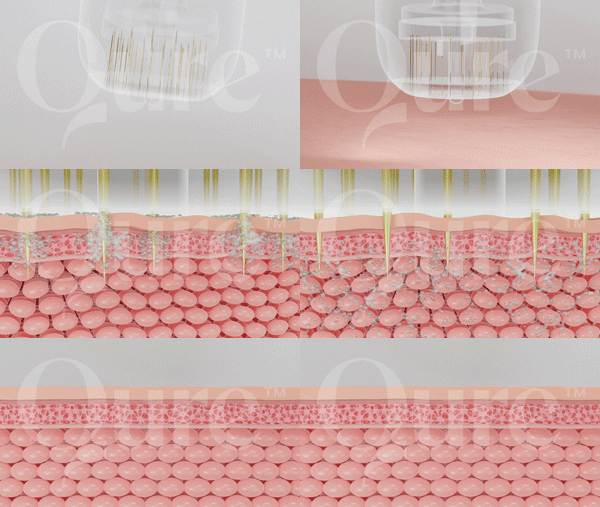
Micro-infusion pairs ultra-shallow needles with single-use sterile heads for safe, effortless skin renewal.
Micro-infusion devices generally sit in the 0.25mm–0.5mm range — enough to stimulate renewal without the deeper, more aggressive channels a longer roller needle creates — and pair that with a sterile, single-use head that gets swapped out after each treatment. No dulling, no guessing whether it's clean enough.
The other piece derma rollers are missing entirely: serum. A roller just creates the channel and leaves you to apply whatever's in your cabinet, with no way of knowing if it's actually formulated for deep delivery.
Micro-infusion systems are typically sold with serums built specifically for that purpose — think hyaluronic acid, peptides, and niacinamide, dosed and delivered in the same motion as the treatment itself.
Feature
Motion
Needle head
Depth consistency
Serum included
Infection risk
Time to visible results
Derma Roller
Rolling, angled entry
Reusable — dulls over time
Varies with hand pressure
None — BYO product
Higher — hard to sterilize at home
Several weeks, variable
Micro-Infusion System
Stamping, vertical entry
Sterile, single-use
Consistent, built into device
Purpose-formulated serums
Minimized — fresh head each use
Often within days
A+

Why it's our #1 pick:
Editor's Choice — Best Overall
C-
Our Take:
B-

Our Take:
Across precision, safety, and serum quality, Qure was the only system that didn't ask us to compromise somewhere. If you're ready to move on from your derma roller, this is where we'd start.
30-Day Satisfaction Guarantee
Free Shipping $100+
HSA / FSA Eligible
" height="26px" id="fRb32fp6Y" width="26px"/><path d="M 10.636 0 L 3.324 7.312 L 0 3.989" fill="transparent" height="7.312449999999998px" id="lgJvdgId1" stroke-dasharray="" stroke-linecap="round" stroke-linejoin="round" stroke-width="1.95" stroke="rgb(255, 255, 255)" transform="translate(7.682 9.344)" width="10.636320000000001px"/></svg>)
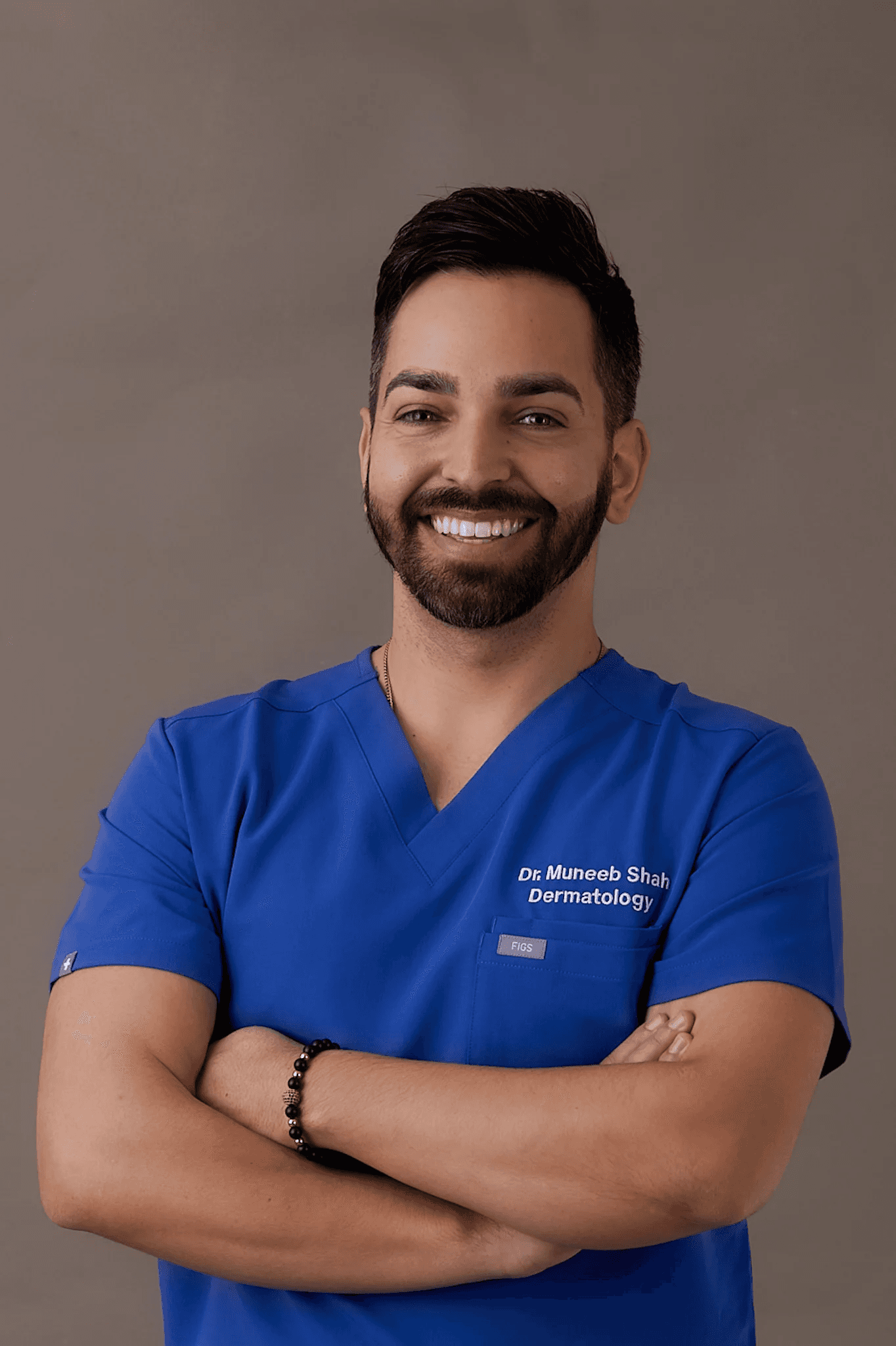
"Dermarollers drag across the skin and cause damaging cuts. Stamping devices move straight in and out, creating clean punctures with significantly less trauma—making them the safer choice at home."
— Dr. Shah, MD (Doctorly), Certified Dermatologist
FAQ
Ready to try Qure Micro-Infusion System?

30-Day Satisfaction Guarantee
Free Shipping $100+
HSA / FSA Eligible