And that instinct is correct — because how you start makes all the difference.
Search "tretinoin before and after" and you'll find two very different outcomes:

Smooth, glowing skin at the six-month mark. Fine lines visibly reduced. Texture transformed. "I wish I'd started sooner."
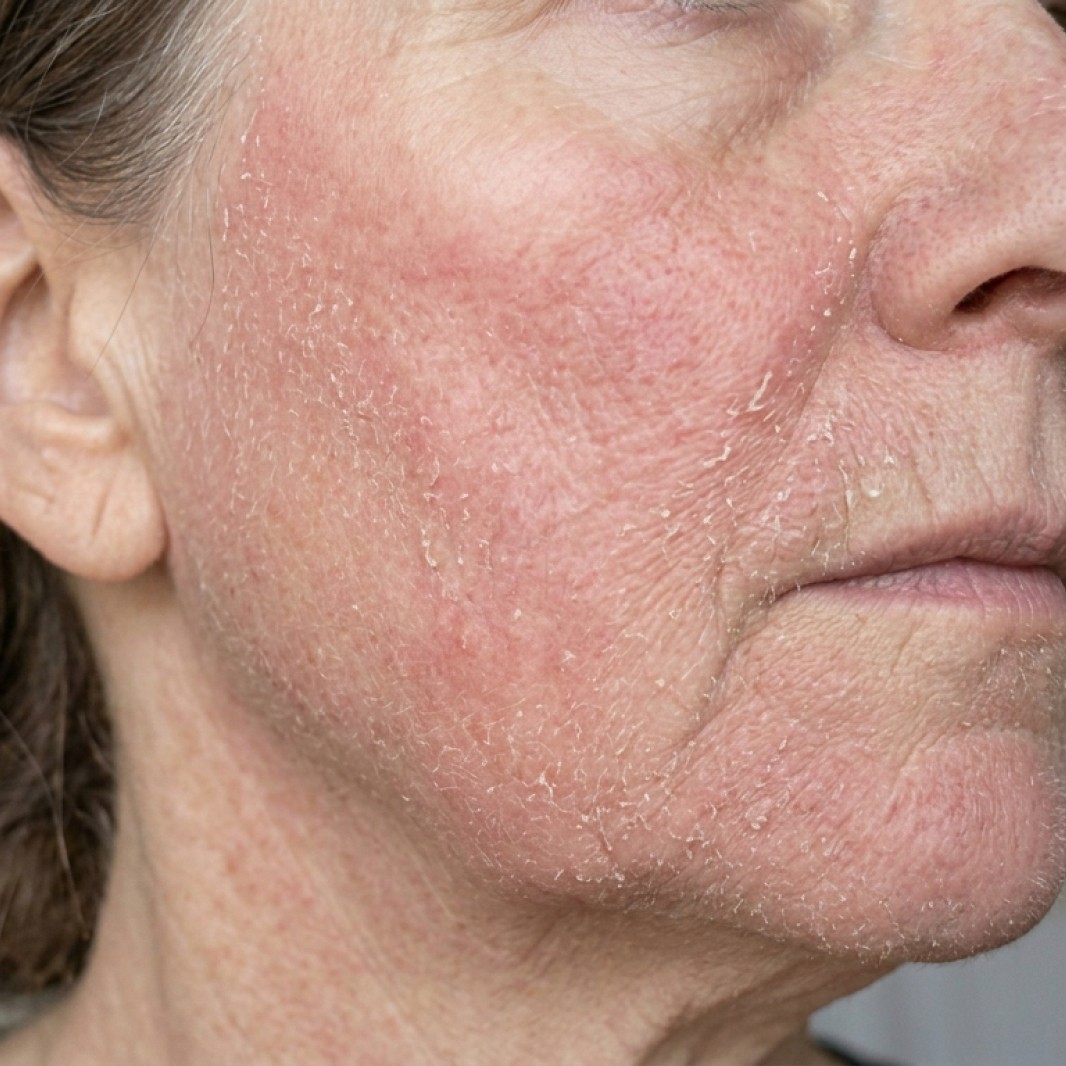
Raw, peeling, inflamed skin at week three. "I had to quit." "It wasn't working for me." "I'll try again someday."
Here's what separates those two outcomes: how you start.
Tretinoin is the most clinically validated topical treatment for fine lines, uneven texture, sun damage, and acne — backed by over 40 years of dermatology research.
The results are real. But the path there matters enormously, and most people go wrong in the same two ways.
The two most common beginner mistakes:
We evaluated the five leading telehealth tretinoin options specifically through the lens of how well they set beginners up to succeed — and which ones are most likely to lead to the "I had to quit" story.
The tretinoin purge — initial redness, flaking, and sometimes breakouts — is real, but it's not inevitable at the same severity for everyone.
Understanding what drives it helps you pick the right formula.

"The adjustment phase is real — but for most patients, it's far more manageable when they start at 0.025% with the right supporting ingredients. People who struggle are almost always those who started too high, too fast."
— Dr. Anna Nichols, MD
The mitigation strategy: Start low (0.025%), start slow (every other night initially), and use a formula that includes ingredients to support the barrier and reduce inflammation during the adjustment period.
This is where formula choice directly affects your experience.
Tretinoin 0.025% + Vitamin C 5%
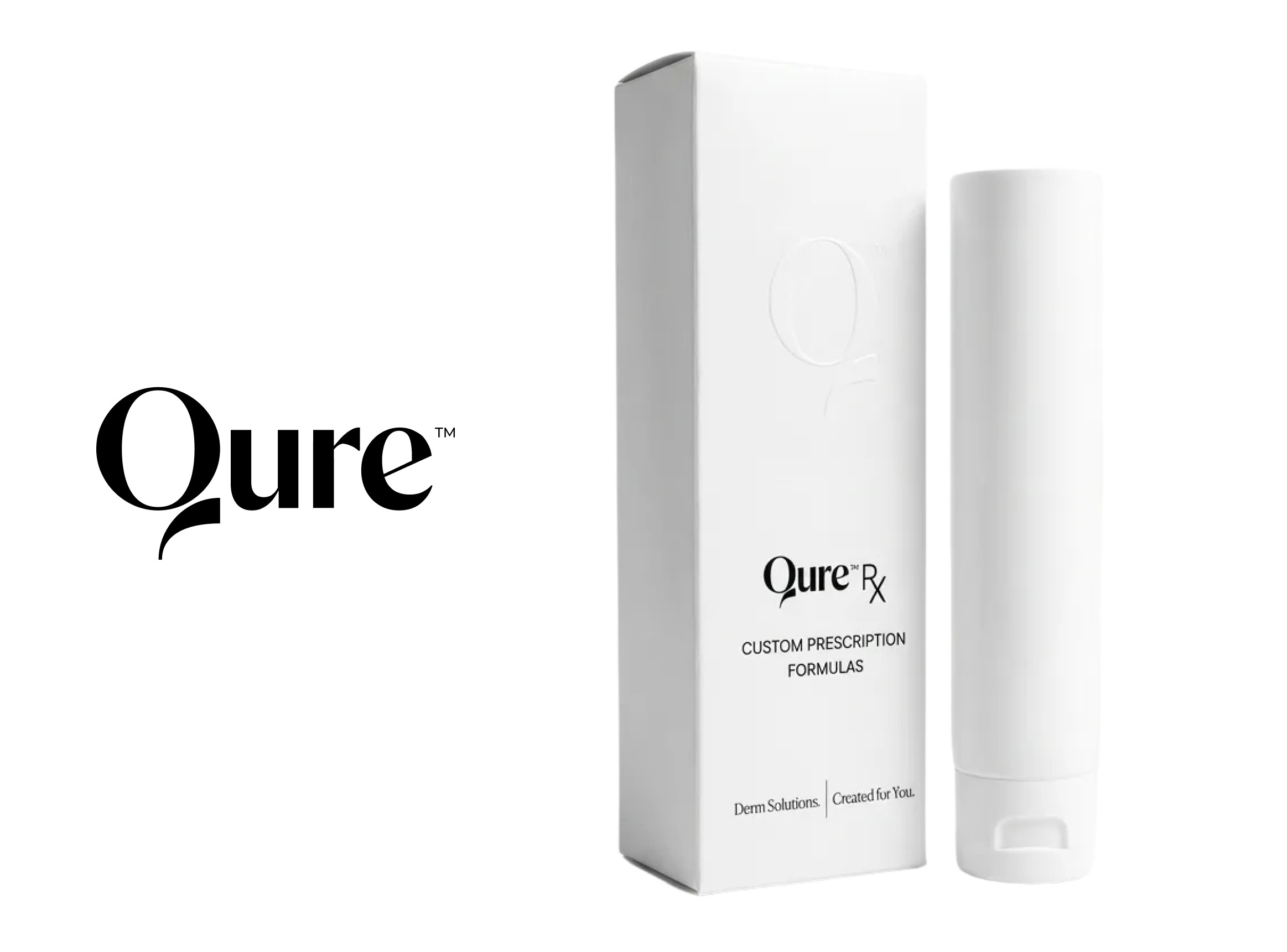
0.025% tretinoin — the right starting strength for anti-aging beginners
Vitamin C 5% — antioxidant protection during the cell turnover adjustment period
Licensed provider consultation included — guidance through the adjustment phase, not just a prescription
Consistent formula — you'll know exactly what's in your cream every refill
$69 every 2 months (~$34.50/month) — best value for a combination formula
Best Overall
Less Than
$35
/ month
Includes Tretinoin + Vitamin C + Consultation
Best for: Beginners who want a progressive strength system
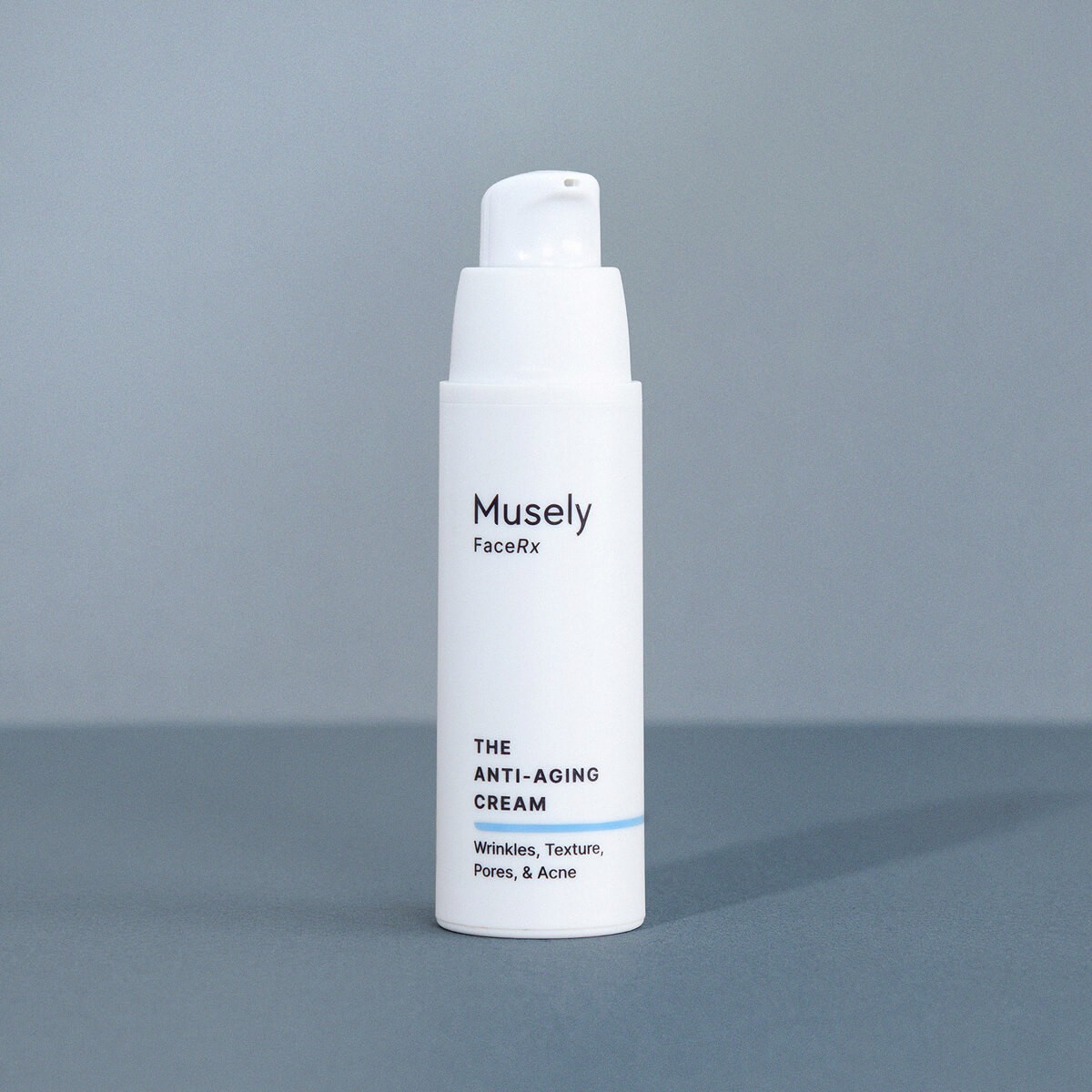
Three strength tiers (Gentle → Balanced → Veteran) — start at the bottom, work up
Hyaluronic acid and niacinamide buffer early drying effects
Niacinamide has some anti-inflammatory benefit during adjustment
/ month
Best for: Very dry or sensitive skin types
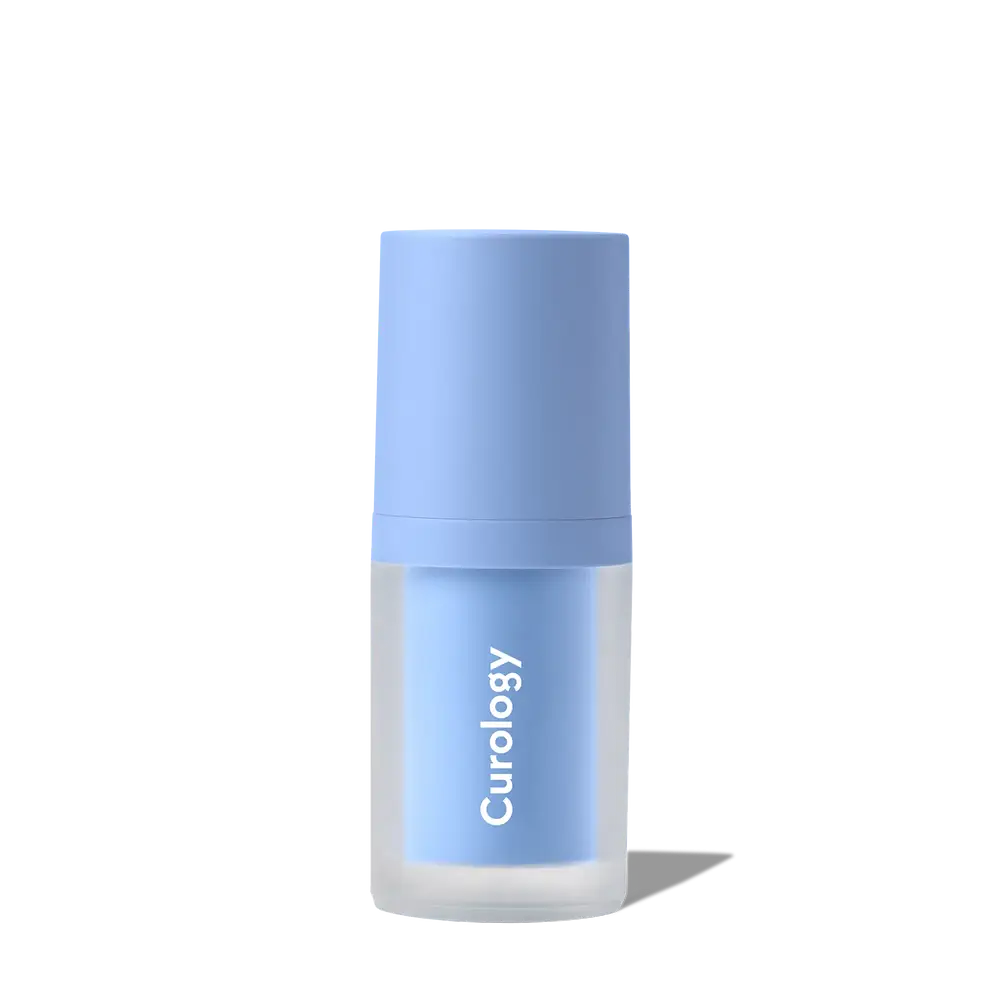
Dexpanthenol (provitamin B5) is one of the better barrier-repair ingredients availabl
Available from 0.01% — the most conservative starting strength on this list
First bottle essentially free — low financial risk to try
/ month
Best for: Women starting tretinoin during perimenopause or menopause
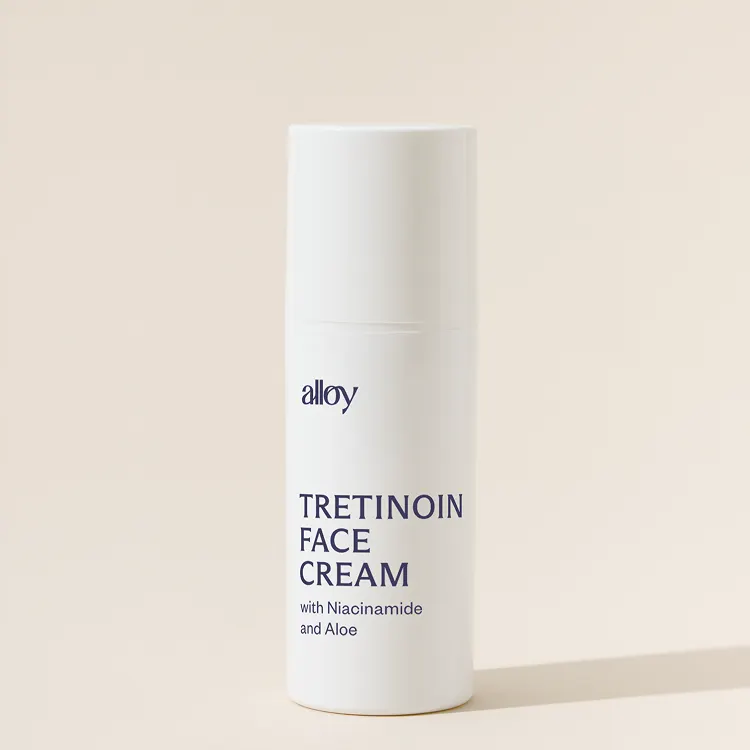
Provider network is menopause-trained — useful context when hormonal shifts affect skin sensitivity
Formula includes niacinamide and aloe vera for adjustment support
Multiple strength options with good pricing on subscription
/ month
Best for: Experienced retinoid users who just need prescription access
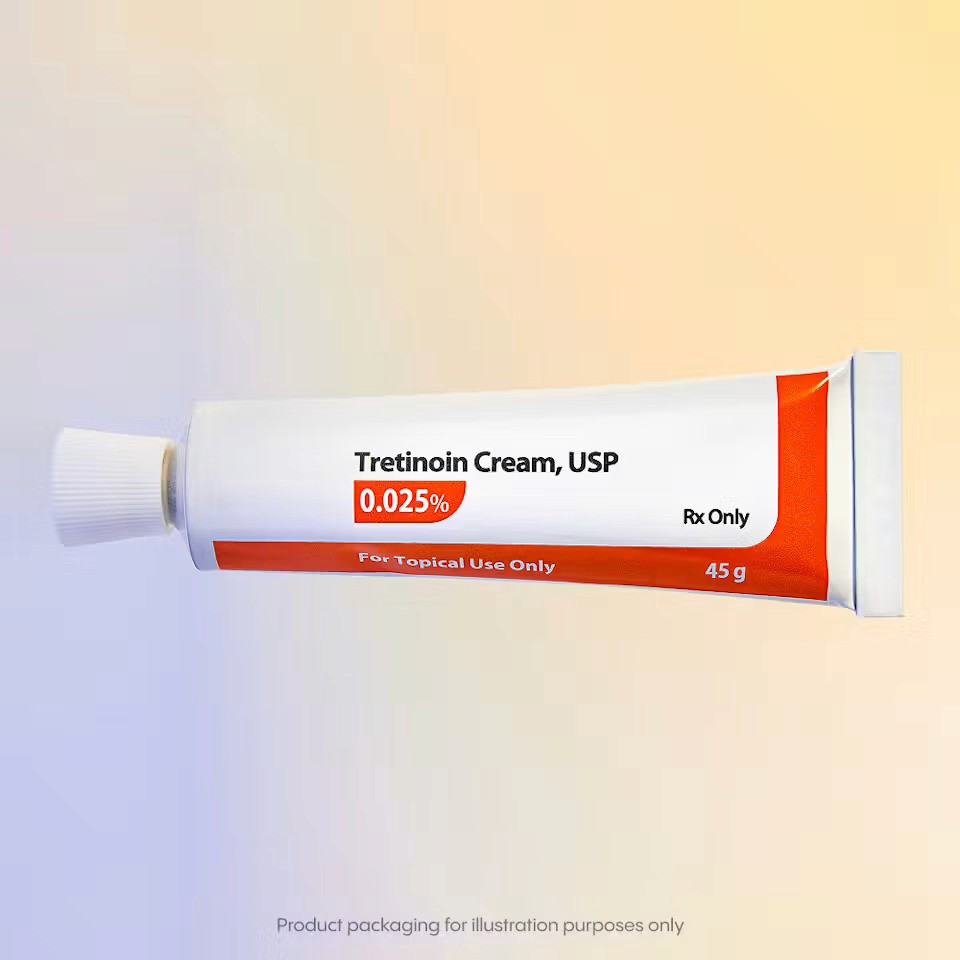
Clean, easy telehealth process
Multiple strengths available
Easy subscription management
/ 2 months
Regardless of which option you choose, the first 8 weeks follow the same basic framework:
Every other night
Apply a pea-sized amount to clean, completely dry skin — damp skin increases absorption and irritation. Start every other night to give your barrier time to adapt.
Increase to nightly if tolerated
If you've managed weeks 1–4 with manageable dryness, move to nightly use. If not, stay at every other night for another 2–4 weeks. There is no rush.
The sandwich method (if very sensitive)
Apply moisturizer first, wait 10–15 minutes, apply tretinoin, wait 20 minutes, apply another thin moisturizer layer. Buffers absorption without eliminating efficacy.
Daily SPF is non-negotiable
Tretinoin increases photosensitivity. Broad-spectrum SPF 30+ every morning, every day — not just when it's sunny. This is also where vitamin C in your formula helps: antioxidant protection before sunscreen goes on.
What's normal vs. what's not
Normal
Light flaking, mild dryness, temporary redness around the nose and cheeks. Usually peaks at weeks 2–4 and resolves by week 8.
Not normal:
Significant burning, blistering, or a spreading rash. If this happens, stop use and contact your provider immediately.
Real skin, real progress
How to Get Started
Tretinoin requires a prescription. With Qure, the process takes under 10 minutes: complete an online consultation, a licensed provider reviews your skin goals and health history, and if tretinoin is appropriate, your Renewal Cream ships directly to you.
The consultation is included in the subscription cost. No separate dermatology appointment, no pharmacy queue, and your provider stays available as you work through the adjustment phase.